


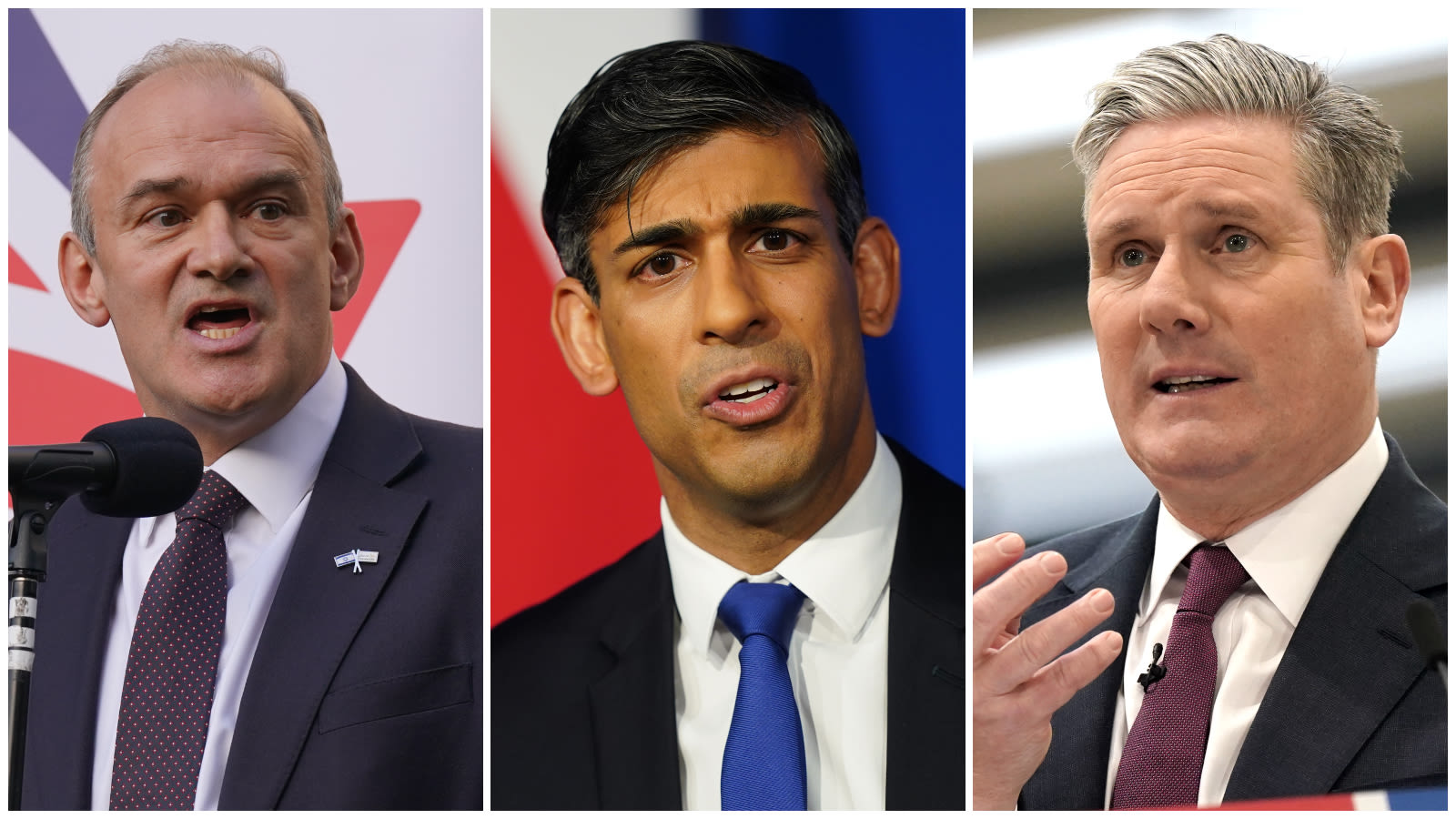
The political landscape is entering a period of significant transition, where national leadership is expected to face new challenges, shifting public expectations, and evolving global pressures. As governments adapt to economic uncertainty, technological change, and rising voter awareness, the future of national leadership is becoming more complex and more closely watched than ever before. This exclusive political report explores the key trends, leadership shifts, and strategic decisions that may shape what comes next in national governance.
Changing Dynamics in National Political Leadership
Rising Demand for Transparent Governance
Public demand for transparent governance has become one of the strongest forces shaping national leadership today. Citizens are increasingly expecting leaders to communicate openly, make data-driven decisions, and maintain accountability in all areas of governance. This shift is influencing how political parties design their campaigns and how elected officials interact with the public. Transparency is no longer optional; it is becoming a core requirement for political survival in modern democracies.
Shift Toward Younger Leadership Models
Across many countries, there is a noticeable shift toward younger and more dynamic leadership. This change is driven by a younger population that demands innovation, faster decision-making, and digital-first governance. Younger leaders are often more adaptable to technology-driven policies and global communication trends, making them more relatable to modern voters. This transition is slowly reshaping traditional political structures and encouraging generational change in national leadership systems.
Increasing Role of Digital Political Influence
Digital platforms are now playing a major role in shaping political leadership outcomes. Social media, online campaigns, and digital news platforms have become powerful tools for influencing public opinion. Leaders are now required to maintain a strong online presence, respond quickly to public sentiment, and manage digital narratives effectively. This growing digital influence is redefining how leadership credibility is built and maintained in the modern political environment.
Economic Pressures Shaping Future Leadership Decisions
Rising Cost of Living Challenges
One of the most pressing issues influencing national leadership is the rising cost of living. Inflation, housing affordability, and wage stagnation are becoming central topics in political debates. Leaders are under pressure to introduce policies that support economic stability while also addressing the financial struggles of everyday citizens. This challenge is expected to heavily influence future leadership strategies and policy priorities.
Global Economic Uncertainty
National leaders are also dealing with unpredictable global economic conditions, including trade disruptions, supply chain instability, and shifting international markets. These factors are forcing governments to rethink economic strategies and strengthen domestic industries. Leadership decisions in the coming years will likely focus on resilience, economic diversification, and long-term financial planning to reduce dependency on external systems.
Employment and Workforce Transformation
The future of leadership is closely tied to changes in the workforce. Automation, artificial intelligence, and remote work trends are reshaping employment structures. Governments are expected to focus on job creation, digital skills development, and workforce retraining programs. Leaders who successfully manage this transformation will likely gain stronger public trust and long-term political support.
Public Expectations and Policy Transformation
Demand for Strong Social Policies
Public expectations for stronger social policies are increasing across many regions. Citizens are calling for improvements in healthcare, education, and social welfare systems. National leadership is now being evaluated based on how effectively it can deliver accessible and affordable public services. This shift is pushing governments to prioritize human-centered policies over purely economic agendas.
Focus on National Security and Stability
National security remains a key concern influencing leadership direction. Governments are investing more in cybersecurity, border protection, and internal stability measures. With rising global tensions and digital threats, leadership strategies are evolving to ensure both physical and digital safety for citizens. This dual focus is becoming a critical component of modern governance.
Environmental and Climate Policy Pressure
Environmental concerns are also shaping the future of national leadership. Climate change, energy transition, and sustainability goals are now central to policy discussions. Leaders are expected to balance economic growth with environmental responsibility. This pressure is encouraging the adoption of greener policies and long-term environmental planning at the national level.
Future Outlook of National Leadership
Emergence of Hybrid Leadership Models
Future leadership is expected to combine traditional governance with digital innovation. Hybrid leadership models will rely on both in-person governance and digital decision-making tools. This approach allows leaders to respond more quickly to public needs while maintaining structured policy frameworks. It represents a shift toward more flexible and responsive governance systems.
Greater Public Participation in Decision-Making
Public participation in governance is expected to increase significantly. Citizens are becoming more engaged through online platforms, digital consultations, and participatory policy discussions. This trend is likely to strengthen democratic processes and improve accountability in national leadership. Governments that embrace public involvement will likely build stronger trust and stability.
Long-Term Strategic Governance Planning
Future national leadership will increasingly focus on long-term planning rather than short-term political gains. Strategic governance will involve multi-year development plans, economic forecasting, and sustainable policy design. Leaders who prioritize long-term national interests are expected to create more stable and effective governance structures.
FAQs
1. What is shaping future national leadership the most?
Public demand, digital influence, and economic challenges are the main factors shaping leadership.
2. Why is transparency important in leadership?
Transparency builds trust, accountability, and stronger public support for government decisions.
3. How is technology affecting political leadership?
Technology is transforming communication, policy-making, and public engagement in politics.
4. What are the biggest challenges for future leaders?
Economic instability, social demands, and global uncertainty are key challenges.
5. Will younger leaders dominate future politics?
Yes, younger leaders are increasingly becoming more influential due to changing voter demographics.
Conclusion
The future of national leadership is evolving rapidly due to economic pressure, technological change, and increasing public expectations. Leaders are now required to be more transparent, digitally active, and socially responsive than ever before. As governance continues to modernize, successful leadership will depend on adaptability, long-term vision, and the ability to balance national priorities with global challenges.
