


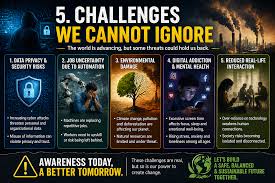
In 2026, the world is experiencing rapid shifts across politics, technology, climate, and the global economy. These urgent global developments are reshaping how countries interact, how businesses operate, and how people live their daily lives. From rising geopolitical tensions to breakthroughs in artificial intelligence and climate policy changes, the global landscape is evolving faster than ever before. Staying informed about these global news updates is no longer optional—it is essential for understanding the future direction of the world. This article breaks down the most important global changes shaping 2026 in a clear and simple way.
Geopolitical Shifts Redefining Global Power
Rising International Tensions and Alliances
Global politics in 2026 is marked by shifting alliances and increasing diplomatic tension between major powers. Countries are rethinking trade partnerships, defense strategies, and international cooperation. These geopolitical changes are influencing global stability and reshaping long-standing relationships. As nations adjust their positions, global news continues to highlight the importance of diplomacy in maintaining peace and economic balance.
New Economic Blocs Emerging Worldwide
A major development in 2026 is the formation of new economic blocs that focus on regional strength and self-reliance. These alliances aim to reduce dependency on traditional superpowers and create independent trade systems. As a result, global markets are becoming more fragmented but also more competitive. These developments are reshaping global trade flows and investment opportunities.
Security and Defense Priorities Increasing
Countries are increasing their defense budgets due to rising global uncertainties. Cybersecurity, border protection, and technological warfare are becoming top priorities. This shift is changing how nations invest in security infrastructure. As global threats evolve, governments are focusing more on advanced defense systems and international cooperation for stability.
Technological Breakthroughs Transforming the Future
Artificial Intelligence Advancements Reshaping Industries
Artificial intelligence continues to be one of the most powerful forces driving global change in 2026. AI is now deeply integrated into healthcare, finance, education, and communication systems. Businesses are using AI to improve efficiency and decision-making. This rapid adoption is transforming job markets and creating new digital opportunities worldwide.
Expansion of Digital Economies and Automation
The global digital economy is expanding faster than expected. Automation is replacing repetitive tasks in many industries, allowing companies to scale operations efficiently. This shift is improving productivity but also raising concerns about workforce adaptation. As a result, digital skills are becoming essential for employment in modern economies.
Cybersecurity Challenges and Data Protection
With increased digital dependence, cybersecurity has become a major global concern. Governments and organizations are investing heavily in protecting sensitive data from cyber threats. Data privacy laws are also evolving to ensure user protection. These developments highlight the growing importance of secure digital systems in 2026.
Climate Change and Global Environmental Action
Rising Climate Risks and Natural Disasters
Climate change continues to intensify in 2026, leading to more frequent extreme weather events. Floods, heatwaves, and storms are affecting millions of people globally. These environmental challenges are forcing governments to adopt stronger climate policies. The urgency of climate action is now a central topic in global news discussions.
Global Shift Toward Renewable Energy
Many countries are rapidly investing in renewable energy sources such as solar, wind, and hydro power. This shift is aimed at reducing carbon emissions and achieving sustainability goals. Energy transition policies are becoming a key part of national development plans. The global energy landscape is steadily moving away from fossil fuels.
International Climate Agreements and Cooperation
Global cooperation on climate change has increased in 2026, with countries committing to stricter environmental targets. These agreements focus on reducing emissions and supporting green innovation. International collaboration is essential for addressing global environmental challenges effectively.
Economic Trends Reshaping Global Markets
Inflation and Cost of Living Pressures
Many economies are still dealing with inflation and rising living costs in 2026. These financial pressures are affecting household spending and business operations. Governments are introducing policies to stabilize prices and support economic recovery. The global economy remains sensitive to supply chain changes and market fluctuations.
Growth of Remote Work and Digital Employment
Remote work has become a permanent part of the global workforce. Companies are adopting flexible work models to reduce costs and increase productivity. This shift is also creating opportunities for freelancers and digital professionals worldwide. The job market is becoming more global and interconnected.
Emerging Markets Gaining Global Influence
Developing countries are playing a larger role in the global economy. With increasing investments and industrial growth, emerging markets are gaining influence in international trade. This shift is contributing to a more balanced global economic structure.
FAQs
1. What are the major global news trends in 2026?
Major trends include AI growth, climate change action, economic shifts, and geopolitical changes.
2. How is AI affecting the global economy?
AI is improving efficiency, automating tasks, and creating new digital job opportunities.
3. Why are global economies changing so fast?
Rapid technology growth, political shifts, and climate challenges are driving economic change.
4. What is the biggest global concern in 2026?
Climate change and geopolitical instability are among the top global concerns.
5. How does remote work impact global jobs?
Remote work expands job opportunities and allows companies to hire globally.
Conclusion
The global landscape in 2026 is undergoing powerful transformations across politics, technology, climate, and economics. These urgent developments are shaping a more connected, complex, and fast-changing world. Understanding these changes is essential for individuals, businesses, and governments to stay prepared for the future. As global news continues to evolve, staying informed will be the key to adapting successfully in this new era.
