


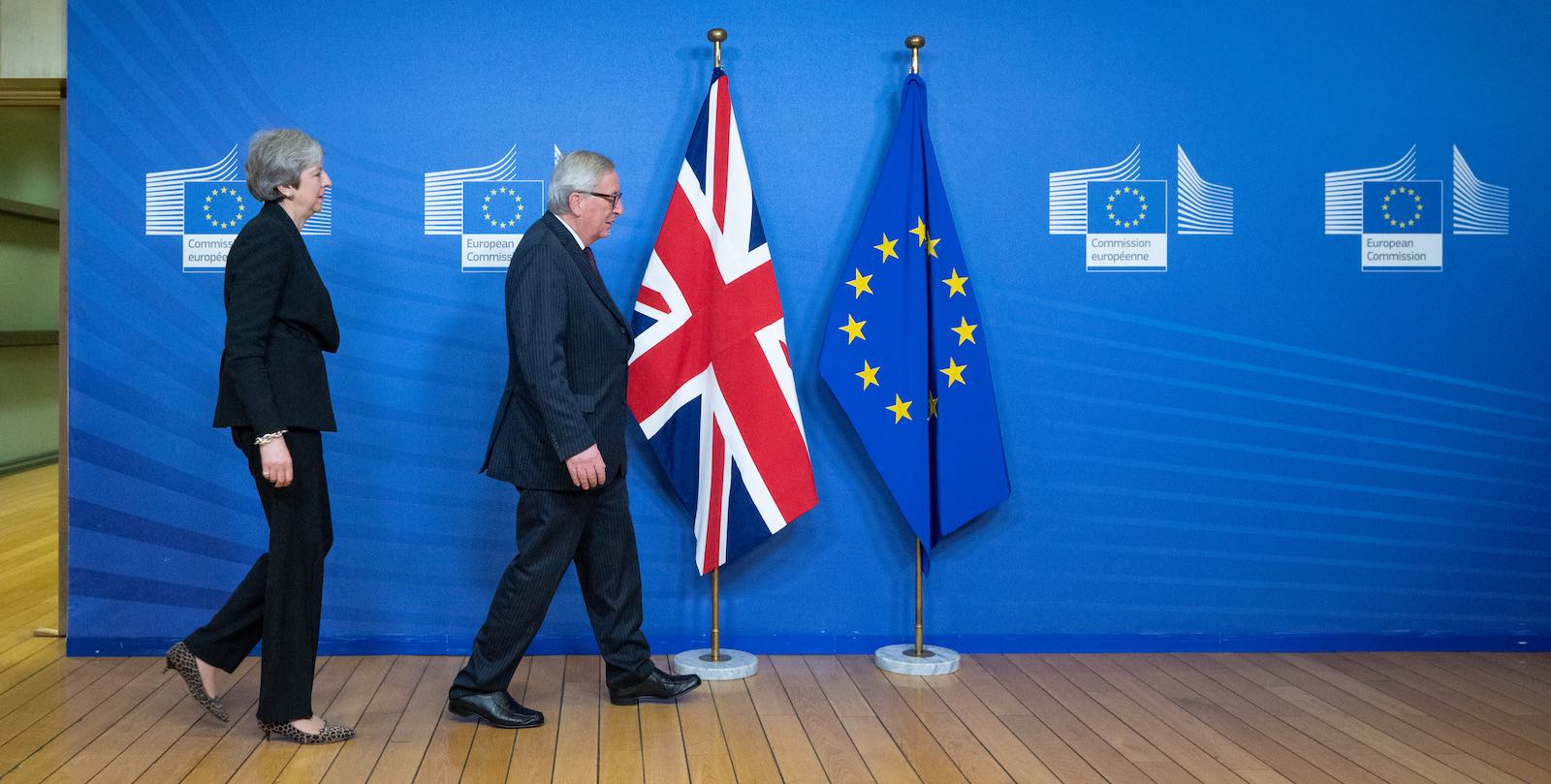
Political crises often create confusion, uncertainty, and concern among the public, especially when news headlines are filled with instability, leadership disputes, and policy breakdowns. In recent times, the latest political crisis has raised important questions about governance, economic stability, and the future direction of public policy. Understanding what is happening is essential not only for awareness but also for making informed decisions as citizens. This article breaks down the situation in a clear and simple way, explaining the causes, impact, and possible outcomes of the current political crisis and what it truly means for the public.
Understanding the Current Political Crisis
Leadership instability and government conflict
The current political crisis is largely driven by instability within leadership structures and internal government conflicts. When political leaders fail to agree on key decisions, it creates delays in governance and weakens public trust. These disagreements often lead to cabinet reshuffles, resignations, or even calls for new elections, making the political environment unpredictable and unstable for citizens.
Policy disagreements affecting governance
Another major factor behind the crisis is deep disagreement over national policies. Issues such as taxation, public spending, healthcare, and immigration often divide political parties. When these disagreements become extreme, they block important legislation and slow down government operations. This results in delays in implementing policies that directly affect the public, such as welfare programs and economic reforms.
Public trust and political uncertainty
As the crisis continues, public trust in political institutions tends to decline. Citizens begin to feel disconnected from decision-makers, believing that their concerns are not being addressed. This growing uncertainty can lead to protests, political debates, and increased media scrutiny. Over time, it weakens the relationship between the government and the public, making governance more challenging.
Economic Impact of the Political Crisis
Market instability and investor confidence
One of the first areas affected by any political crisis is the economy. Financial markets often react negatively to uncertainty, leading to fluctuations in stock prices and reduced investor confidence. Businesses become cautious about investments, and foreign investors may delay or withdraw financial commitments until stability returns.
Rising cost of living pressures
Political instability can also contribute to rising costs of living. When governments struggle to implement stable economic policies, inflation may increase, affecting prices of essential goods and services. This puts pressure on households, especially those with fixed or low incomes, making everyday expenses harder to manage.
Job market and business uncertainty
The job market is also influenced by political instability. Companies may pause hiring or reduce expansion plans due to uncertain conditions. Small businesses are often the most affected, as they rely heavily on stable economic environments. This can lead to slower job growth and reduced opportunities for workers.
What It Means for the Public
Impact on daily life and services
For the general public, a political crisis can affect access to essential services such as healthcare, education, and transportation. When governments are focused on internal issues, public service improvements often slow down. This can result in delays, reduced efficiency, and limited access to support systems that people rely on daily.
Changes in public policies and reforms
During a political crisis, planned reforms and new policies may be postponed or cancelled. This creates uncertainty about future changes in areas such as taxation, social welfare, and public infrastructure. Citizens may find it difficult to plan long-term financial or personal decisions due to unclear government direction.
Public response and civic engagement
Political crises often increase civic engagement, as citizens become more aware and active in political discussions. People may participate in protests, public debates, or online discussions to express their views. While this reflects democratic involvement, it can also highlight divisions within society if not managed carefully.
Possible Outcomes and Future Outlook
Resolution through political negotiations
In many cases, political crises are resolved through negotiations between parties or leaders. Compromise is often necessary to restore stability and continue governance. These discussions may lead to new agreements, leadership changes, or revised policies that help stabilize the situation.
Early elections or leadership changes
If the crisis cannot be resolved internally, governments may call for early elections or experience leadership transitions. This allows the public to vote for new representation and reset the political direction. However, elections also bring uncertainty during the transition period.
Long-term institutional reforms
Sometimes, a political crisis leads to deeper reforms in governance structures. These reforms may include changes in laws, political systems, or accountability measures. While difficult in the short term, such reforms can strengthen institutions and prevent similar crises in the future.
FAQs
1. What is a political crisis?
A political crisis is a situation where government instability disrupts normal governance and decision-making.
2. How does a political crisis affect the economy?
It can cause market instability, inflation, and reduced investor confidence.
3. Why do political crises happen?
They often occur due to leadership conflicts, policy disagreements, or governance failures.
4. How does it impact ordinary citizens?
It can affect public services, job opportunities, and cost of living.
5. Can political crises be resolved quickly?
Some are resolved quickly through negotiations, while others take longer depending on severity.
Conclusion
A political crisis is more than just a government issue—it directly affects the economy, public services, and everyday life of citizens. While the situation may seem uncertain, most crises eventually lead to resolution through negotiation, reform, or new elections. Understanding the causes and effects helps the public stay informed and prepared. In times of instability, awareness and patience are key as governments work toward restoring balance and stability.
