

In today’s fast-moving political landscape, global events are shifting rapidly as governments announce new policies, leaders make unexpected decisions, and public reactions continue to grow stronger. From economic reforms to international diplomacy and internal political debates, today’s top political headlines reflect a world in transition. Understanding these developments is important not only for experts but also for everyday readers who want to stay informed about how political decisions may affect their lives, economies, and future global stability.
Major Government Policy Changes Shaping Today’s News
New Economic Decisions Impacting Public Spending
Several governments are introducing new economic policies aimed at controlling inflation and stabilizing national budgets. These decisions often include adjustments in taxes, subsidies, and public spending priorities. While leaders argue that these changes are necessary for long-term stability, citizens are expressing concern about rising living costs. Such political headlines today highlight the balance between economic control and public satisfaction, making this a key topic in global discussions.
Education and Healthcare Reforms Announced
Another major development in political news today involves reforms in education and healthcare systems. Governments are focusing on improving infrastructure, digital services, and accessibility for citizens. However, critics argue that implementation challenges and funding issues may slow down progress. These reforms are widely discussed because they directly affect families, students, and working professionals, making them central to public debate and media coverage.
Public Response to Policy Shifts
Public reactions to new policies have been mixed, with protests, debates, and online discussions dominating the news cycle. Social media platforms are amplifying opinions, making political decisions more visible than ever. While some citizens support reforms for long-term benefits, others believe the changes may create short-term hardships. This dynamic interaction between governments and the public is shaping today’s political environment significantly.
International Relations and Global Political Tensions
Diplomatic Talks Between Major Nations
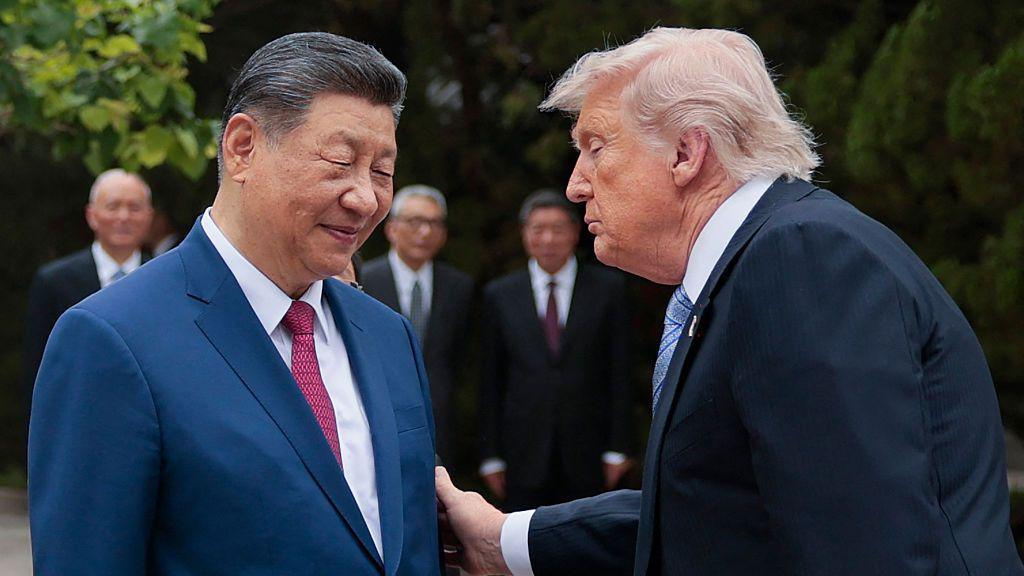
International diplomacy continues to play a major role in political headlines today as countries engage in high-level discussions. These talks often focus on trade agreements, security cooperation, and climate commitments. While some negotiations show progress, others remain uncertain, reflecting the complexity of global politics. Such diplomatic efforts are crucial in maintaining peace and economic stability across regions.
Rising Geopolitical Conflicts and Concerns
In several regions, geopolitical tensions are increasing due to border disputes, resource competition, and strategic alliances. These conflicts are closely monitored by global leaders and international organizations. The situation highlights how fragile international relations can be and how quickly political situations can escalate if not managed carefully.
Global Economic Collaboration Efforts
Despite tensions, many countries are also working together on global economic initiatives. These include trade partnerships, investment agreements, and financial aid programs. Such collaborations aim to strengthen global markets and reduce economic uncertainty. Political headlines today often reflect this dual nature of conflict and cooperation in international relations.
Internal Politics and Leadership Decisions
Leadership Changes and Cabinet Reshuffles
Political leadership changes are making headlines as several governments announce cabinet reshuffles and administrative updates. These changes are often intended to improve governance efficiency and strengthen political strategies. However, they can also lead to uncertainty within political systems, especially when unexpected resignations or appointments occur.
Legislative Debates and Policy Approvals
Parliamentary discussions are currently focused on passing key legislation related to economic growth, security, and social welfare. These debates are often intense, with opposing parties presenting strong arguments for and against proposed laws. The outcome of these discussions plays a major role in shaping national direction and public policy.
Public Trust and Government Accountability
Public trust in political systems remains a major concern in today’s news cycle. Governments are under pressure to maintain transparency and accountability while addressing public expectations. Political analysts suggest that trust can be strengthened through clear communication and effective policy implementation. This ongoing issue continues to influence political stability in many countries.
Public Reaction and Media Influence on Politics
Role of Social Media in Political Awareness
Social media platforms are playing a powerful role in shaping political awareness. News spreads quickly, allowing citizens to react instantly to government decisions. However, misinformation also spreads easily, making it important for users to verify sources. This digital influence has changed how political headlines today are consumed and understood.
Media Coverage and Public Opinion Shaping
Traditional and digital media outlets continue to influence public perception of political events. The way news is presented can impact how people interpret government actions and policies. Balanced reporting is essential to ensure accurate understanding and reduce polarization among audiences.
Civic Engagement and Political Participation
There is a growing trend of civic engagement, with more people participating in discussions, voting, and public movements. This increased involvement shows that citizens are becoming more aware and active in political processes. Such participation is essential for a healthy democratic system and long-term political development.
FAQs
1. What are political headlines today?
They refer to the most important and trending political news stories happening currently around the world.
2. Why are political news updates important?
They help people understand government decisions and global events that may affect daily life.
3. How often do political headlines change?
They can change multiple times a day depending on global developments.
4. What sources are best for political news?
Trusted news websites, official government releases, and reputable media outlets are best.
5. How does social media affect political news?
It spreads news quickly but can also spread misinformation if sources are not verified.
Conclusion
Today’s political headlines reflect a rapidly changing world shaped by policy decisions, international relations, leadership shifts, and public reactions. From economic reforms to global diplomacy, each development plays an important role in shaping the future. Staying informed helps citizens understand how political changes may impact their lives and encourages responsible engagement in democratic processes.
