


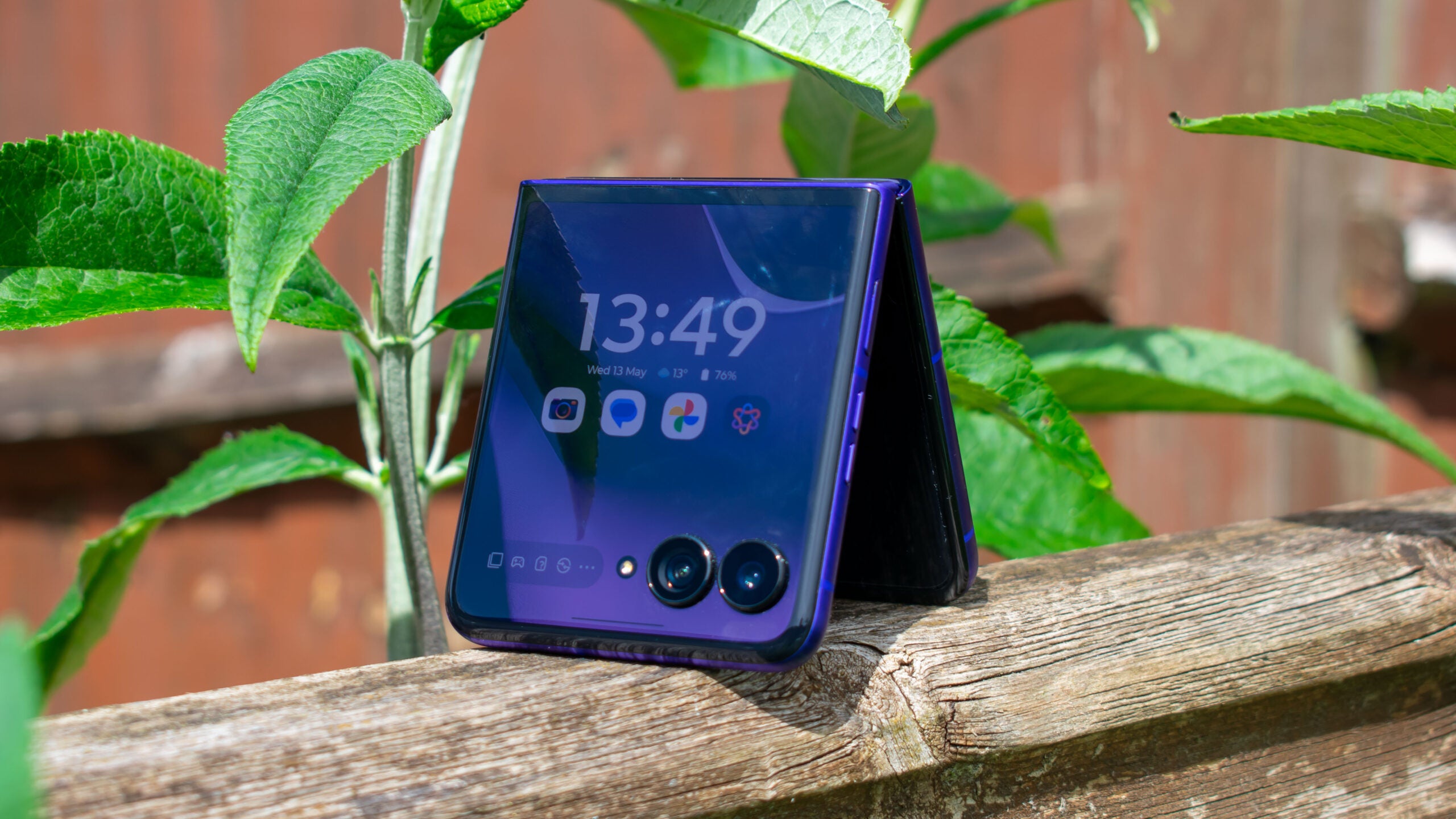
The global smartphone industry is going through a major transformation as a new device has reportedly set record-breaking performance benchmarks in speed, efficiency, and AI processing. With competition increasing between leading smartphone brands, manufacturers are now focusing on advanced chipsets, improved battery optimization, and next-generation software integration. This latest development is not just another product launch—it signals a significant shift in how future smartphones will be designed, optimized, and experienced by users worldwide.
Record-Breaking Performance in the Smartphone Industry
Next-Gen Processor Efficiency
The latest device introduces a next-generation processor that delivers significantly improved speed and energy efficiency compared to previous models. This advancement allows users to run heavy applications, games, and multitasking processes without lag. The chipset is optimized for performance per watt, meaning it delivers more power while consuming less battery, making it a major breakthrough in smartphone engineering and overall user experience.
AI-Powered Optimization System
One of the most impressive features of the device is its AI-powered optimization system, which intelligently manages background processes and system resources. This system learns user behavior over time and adjusts performance settings automatically to ensure smooth operation. As a result, users experience faster app loading times, reduced heating, and improved system stability even during intensive tasks.
Benchmark Results That Changed Expectations
Industry benchmark tests have shown that the device outperforms many flagship smartphones in both single-core and multi-core performance. These results have surprised tech analysts, as the improvement margin is significantly higher than typical yearly upgrades. The device has effectively raised the standard for what users can expect from modern smartphone performance.
Innovation Driving the Smartphone Market Shift
Advanced Chip Architecture Design
The device features an upgraded chip architecture that focuses on maximizing processing power while minimizing energy loss. This new structure improves data handling speed and allows smoother transitions between applications. The architecture also enhances graphics performance, making it ideal for gaming, video editing, and high-resolution media consumption.
Enhanced Thermal Management System
Heat control has always been a challenge in high-performance smartphones. This new device introduces a refined thermal management system that distributes heat more efficiently across internal components. This prevents overheating during extended usage sessions and ensures consistent performance even under heavy workload conditions.
Improved Software and Hardware Integration
A major factor behind the device’s success is the seamless integration between hardware and software. The operating system is specifically optimized to work with the new chipset, reducing unnecessary background activity and improving response times. This tight integration creates a smoother and more responsive user experience compared to traditional smartphone systems.
Impact on the Future of Smartphone Technology
Rising Competition Among Tech Giants
The release of this high-performance device has intensified competition among leading smartphone manufacturers. Companies are now under pressure to innovate faster and deliver more powerful devices each year. This competition is expected to drive rapid advancements in processing power, camera technology, and battery efficiency across the industry.
Shift Toward AI-Centric Devices
The smartphone industry is clearly moving toward AI-centric designs, where artificial intelligence plays a central role in device performance. From camera enhancements to system optimization, AI is becoming a core component of modern smartphones. This shift will redefine how users interact with their devices in the future.
Consumer Expectations Are Increasing
As performance standards rise, consumers are becoming more demanding in terms of speed, reliability, and feature set. Users now expect flagship smartphones to deliver desktop-level performance in a compact form factor. This change in expectations is pushing manufacturers to rethink design strategies and prioritize real-world usability.
FAQs
What makes this new smartphone different from others?
It offers record-breaking performance, improved AI optimization, and a highly efficient processor that enhances speed and battery life.
Why is the smartphone industry changing so fast?
Rapid advancements in chip technology and AI integration are driving faster innovation and stronger competition among brands.
Does higher performance affect battery life?
No, the new device is optimized for energy efficiency, allowing high performance without significant battery drain.
Is AI important in modern smartphones?
Yes, AI helps improve performance, camera quality, system optimization, and overall user experience.
Will all smartphones reach this level soon?
Over time, more devices are expected to adopt similar technologies as competition pushes innovation forward.
Conclusion
The smartphone industry is entering a new era defined by powerful processors, AI-driven optimization, and improved system efficiency. The introduction of a record-breaking performance device highlights how quickly technology is evolving and how manufacturers are pushing boundaries to meet rising consumer expectations. As innovation continues, users can expect smarter, faster, and more efficient smartphones that redefine everyday digital experiences.
