


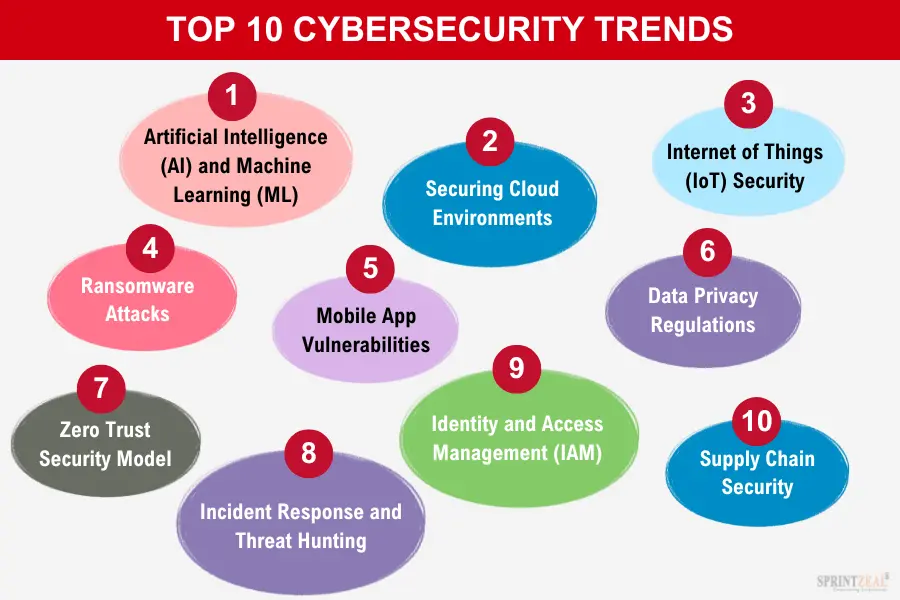
In today’s hyper-connected world, cybersecurity has become one of the most critical concerns for individuals, businesses, and governments. With rising cyber threats, ransomware attacks, data breaches, and AI-powered hacking techniques, the digital landscape is changing faster than ever. Every day, new cybersecurity headlines highlight vulnerabilities, security innovations, and global responses to digital threats. Understanding these updates is essential not only for IT professionals but also for everyday internet users who want to stay safe in an increasingly risky online environment.
Rising Wave of Global Cyber Attacks
Surge in Ransomware Incidents
Ransomware attacks are dominating cybersecurity news as attackers increasingly target hospitals, financial institutions, and corporations. These attacks encrypt critical data and demand payment for release, causing massive financial and operational damage. The rise in ransomware shows how cybercriminals are becoming more organized and financially motivated, making it a major global cybersecurity threat.
Increase in Phishing Campaigns
Phishing remains one of the most common cyber threats trending in cybersecurity headlines. Attackers are using more sophisticated emails, fake websites, and social engineering tactics to steal login credentials and personal data. These campaigns are becoming harder to detect as criminals mimic trusted brands and services with high accuracy.
Targeted Attacks on Critical Infrastructure
Cybersecurity experts are increasingly warning about attacks targeting essential infrastructure like power grids, transportation systems, and communication networks. These attacks can disrupt entire regions and create national security risks. Governments worldwide are strengthening defenses to protect these systems from potential cyber warfare threats.
Artificial Intelligence and Cybersecurity Evolution
AI-Powered Cyber Attacks
Artificial intelligence is now being used by cybercriminals to automate attacks, making them faster and more efficient. AI tools can scan systems for vulnerabilities and launch attacks with minimal human involvement. This shift is making cybersecurity defense more challenging and requiring advanced detection systems.
Machine Learning in Threat Detection
On the defensive side, machine learning is becoming a key part of modern cybersecurity strategies. Security systems can now analyze patterns, detect anomalies, and respond to threats in real time. This advancement is helping organizations reduce response time and prevent large-scale breaches.
Deepfake Technology Risks
Deepfake technology is emerging as a serious cybersecurity concern. Hackers can create realistic fake videos or audio to manipulate individuals or spread misinformation. This trend is increasingly being discussed in cybersecurity headlines as it poses risks to identity verification and digital trust.
Data Privacy and Security Regulations Worldwide
Strengthening Global Data Protection Laws
Countries are continuously updating their data protection laws to improve user privacy. Regulations like GDPR and similar frameworks are influencing how companies collect, store, and use personal data. These laws are becoming stricter as data breaches continue to rise globally.
Corporate Responsibility in Data Handling
Businesses are now under pressure to adopt stronger cybersecurity practices. Companies are investing heavily in encryption, secure cloud storage, and privacy-first systems to protect customer data. Failure to comply can result in heavy fines and reputational damage.
User Awareness and Digital Privacy
Individuals are becoming more aware of how their data is used online. This awareness is pushing demand for privacy-focused tools, secure browsers, and encrypted communication apps. Cybersecurity headlines increasingly highlight the importance of personal digital hygiene.
Emerging Threats and Future Cybersecurity Trends
Growth of IoT-Based Vulnerabilities
The expansion of Internet of Things (IoT) devices has created new security risks. Smart devices like home assistants, cameras, and wearables are often poorly secured, making them easy targets for hackers. This trend is becoming a major focus in cybersecurity discussions.
Cloud Security Challenges
As more businesses move to cloud platforms, securing cloud environments has become a top priority. Misconfigurations, weak access controls, and data leaks are common issues. Cloud security continues to dominate cybersecurity headlines due to its widespread impact.
Rise of Cybersecurity Workforce Demand
There is a growing global demand for skilled cybersecurity professionals. Organizations are struggling to fill security roles, leading to talent shortages. This gap is driving investment in cybersecurity education and training programs worldwide.
FAQs
1. What are the biggest cybersecurity threats right now?
Ransomware, phishing attacks, and AI-powered cyber threats are currently the most serious global risks.
2. Why is cybersecurity important today?
Cybersecurity protects sensitive data, prevents financial loss, and secures digital infrastructure from attacks.
3. How does AI affect cybersecurity?
AI helps both attackers and defenders by automating attacks and improving threat detection systems.
4. What is phishing in cybersecurity?
Phishing is a method where attackers trick users into revealing personal information through fake messages or websites.
5. How can individuals stay safe online?
Using strong passwords, enabling two-factor authentication, and avoiding suspicious links can improve online safety.
Conclusion
Cybersecurity continues to evolve rapidly as digital threats become more advanced and widespread. From ransomware attacks to AI-driven cyber risks, the global digital landscape is constantly under pressure. Staying informed about the latest cybersecurity headlines helps individuals and organizations take proactive steps to protect their data and systems. In an increasingly connected world, awareness and prevention remain the strongest defenses against cyber threats.
